
Fintech companies are totally changing how we use and access money in just about every aspect of our lives. You’ll spot fintech everywhere, from smartphone banking apps and crypto exchanges to budgeting tools and online lending. Getting familiar with the various types of fintech companies and services can give you a fresh perspective on what’s possible, and you might even stumble upon better or more convenient ways to handle your finances. In this article, I’m breaking down the main categories and services offered by fintech companies, alongside a look at what makes them stand out compared to traditional finance.
What Are Fintech Companies And Why Are They So Popular?
Fintech, short for financial technology, refers to companies using software and next-level tech to make dealing with finances faster, easier, and more affordable. These companies dive into everything—from making payments and securing loans to investing, insurance, and sending money overseas.
You’ve probably heard of names like PayPal, Square, Stripe, Robinhood, SoFi, Chime, and Coinbase. Each company focuses on a different piece of the financial puzzle, but all of them aim to give money matters a tech-powered boost. Their popularity keeps growing because they cut back on paperwork, give you real-time insights, and usually offer lower fees or more flexibility than traditional banks.
With so much innovation happening, fintech is making it simple for everyday people to access financial services that were once loaded with red tape or high costs. Now, opening a bank account or applying for a loan might take minutes rather than days, thanks to user-friendly interfaces and seamless on-boarding processes.
The Seven Types of Financial Institutions Explained
Financial institutions are organizations helping people manage, invest, transfer, and save money. Traditional institutions formed the backbone of finance long before fintech started shaking things up. The seven main types often mentioned include:
- Commercial banks: The familiar banks used for holding money, writing checks, or getting standard loans.
- Credit unions: These are member-owned spots that offer services similar to banks, usually with lower fees and stronger community ties.
- Investment banks: Companies assisting businesses with raising money, mergers, and trading large sums of stocks and bonds.
- Brokerages: Firms that make it possible to buy and sell investments such as stocks, mutual funds, and bonds.
- Insurance companies: Organizations offering different types of insurance—health, life, auto, and property—to keep you covered in tough times.
- Mortgage companies: Institutions specializing in providing home loans and mortgages to buyers.
- Asset management firms: Firms managing investments for individuals, families, or organizations, helping them grow their wealth over time.
The Main Types of Fintech Companies
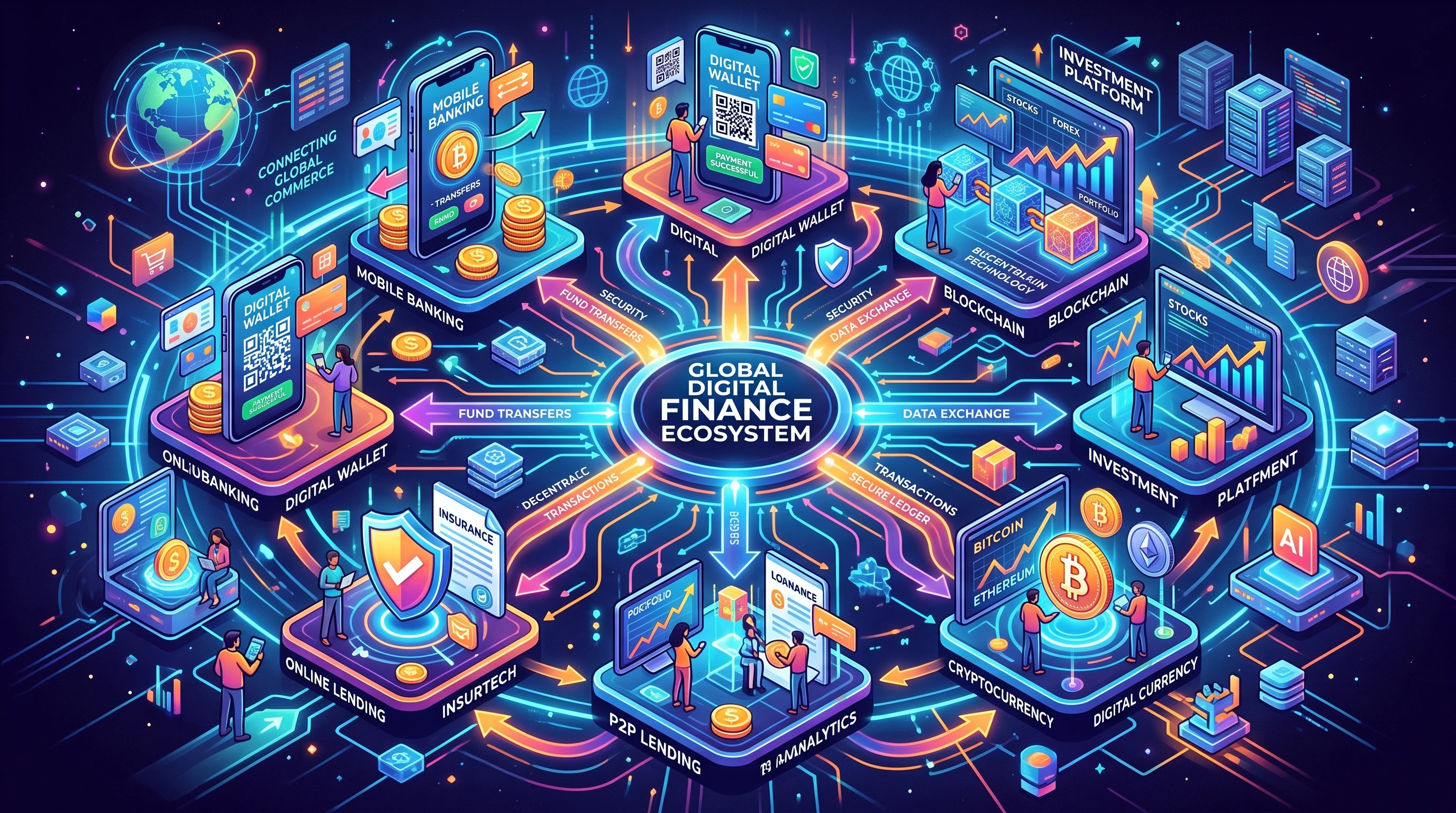
Fintech isn’t just a single wave—it covers several sectors, each using tech to reboot the way money works. Check out these main types making the biggest impact today:
- Payments and Money Transfers: Platforms like Venmo, PayPal, Cash App, and Stripe let people send and receive money instantly and with minimal hassle. International transfers often cost less and move faster, making money more accessible than ever.
- Digital Banking: Online-only banks (or neobanks) such as Chime, Monzo, and N26 operate without physical branches and give users the perks of traditional banks via easy-to-use smartphone apps.
- Lending and Credit: Companies like SoFi, LendingClub, and Upstart use advanced tech for speedy loans and unique ways to review borrower creditworthiness. Peer-to-peer lending is popular here, letting people borrow directly from others.
- Personal Finance and Wealth Management: Apps like Mint and YNAB track your spending and help you set savings goals. Automated investing services like Betterment and Wealthfront build portfolios tailored to your financial targets and risk tolerance—all through the power of algorithms.
- Insurtech: Brands such as Lemonade and Root are revamping insurance by offering digital-first options, streamlining signups and claims, and sometimes approving claims instantly through smart technology.
- Regtech: Short for regulatory technology, these companies ease compliance headaches for financial organizations, automating reporting, risk management, and fraud detection to help avoid fines.
- Blockchain and Cryptocurrency: Platforms like Coinbase, Binance, and Gemini bring users the ability to buy, sell, and safeguard digital currencies. Blockchain is pushing secure, tamperproof records into the mainstream, fast-tracking settlements and making transactions more trustworthy.
Some fintech companies fall into several buckets, while others specialize in just one. The sector is always evolving, and many traditional banks are teaming up with or buying fintechs to keep up.
What Are Fintech Services?
Fintech services cover a gigantic range of activities tailored to make managing or growing your money simpler. These services pop up in various forms, including:
- Mobile payments: Phone apps enable users to pay, transfer, or get funds anywhere, anytime.
- Peer-to-peer lending: Borrowing money directly from someone else through an app, skipping the middleman (the bank).
- Automated investing: Robo-advisors take your goals and risk levels into account, then manage investments for you without hands-on effort.
- Credit scoring: New fintechs combine traditional and alternative data for fairer, broader credit assessments.
- Digital wallets: Apps like Apple Pay or Google Pay keep your cards in one place and let you pay with a tap.
- Budgeting and financial health tools: Track every dollar, monitor subscriptions, and keep up with savings progress through automated budgets and notifications.
- Bill splitting: Apps simplify dividing expenses among friends, making group activities less stressful.
- Online insurance: Sign up for coverage within minutes and manage it all in one digital hub, with claims handled fast.
Key Technologies Powering Fintech
Tech is at the heart of fintech’s major glow-up in recent years. Here are five technological game-changers widely used in the space:
- Artificial Intelligence (AI): AI is used for catching fraud, sizing up credit risk, and personalizing services. It helps companies pick up on odd transactions and build smart investing tools.
- Blockchain: The tech that makes crypto possible also creates tamper-proof, secure transaction records—helpful for everything from trading to contracts.
- Cloud Computing: Storing and accessing a ton of user data becomes a breeze, helping fintechs grow fast and stay secure, with lower infrastructure costs.
- Big Data and Analytics: By analyzing info from millions of transactions, fintechs can offer personalized deals, spot emerging trends, and decide rapidly for users.
- APIs (Application Programming Interfaces): APIs connect different services, like linking your budgeting app to your bank, so managing money is much smoother across different platforms.
Getting Started With Fintech: What To Keep In Mind
Trying out fintech products is fun, but it’s smart to take a closer look at a few essentials before you get going:
- Security: Strong encryption, protected logins, and reasonable privacy rules matter. It’s crucial to keep your financial info safe from bad actors.
- Fees: Watch for hidden charges. Even fintechs with low base fees might tack on costs for transfers, withdrawals, or advanced features.
- Usability: Don’t put up with confusing platforms. You should be able to manage your money comfortably, so try different apps to see what fits your style best.
- Customer support: Instant help is a lifesaver when you’re dealing with money problems. Check reviews or user forums to see how companies step up for their customers when things go wrong.
Security And Privacy Concerns
Handing over sensitive financial info means you need to trust your fintech provider. Look for two-factor authentication, strong encryption, and regular security upgrades as signs that security is taken seriously. Scams and phishing are still common, so staying sharp and double-checking site links and requests is always worth it.
Which Fintech Companies Are Worth Checking Out?
Some standout choices for payments are Square, Stripe, and PayPal. For digital banking, Chime and Monzo are gaining traction. Investing options like Robinhood, Betterment, and Acorns are popular with all levels of investors, while Lemonade leads among insurtechs. For an easy entry into crypto, Coinbase’s userfriendly design is a plus for beginners. It pays to compare features and sample reviews to find the right fit for your financial goals.
Frequently Asked Questions
What are major fintech companies?
Some of the top fintech companies today include PayPal (online payments), Square (retail payments and business tools), Stripe (e-commerce payments), Robinhood (stock trading), SoFi (lending and investing), Chime (digital banking), and Coinbase (cryptocurrency exchanges). Each company has carved out its own spot in the financial services landscape by making use of next-level tech to improve the user experience.
What are the 7 types of financial institutions?
The seven main types are commercial banks, credit unions, investment banks, brokerages, insurance companies, mortgage companies, and asset management firms. These institutions still play a big role and often team up with fintech startups or compete directly with them in the market.
What are fintech services?
Fintech services mean any financial service delivered with technology—everything from paying with your phone and online lending to digital investing, peer-to-peer transfers, and digital-first insurance policies.
What are the 5 key technologies in fintech?
The biggest technologies making fintech possible today include artificial intelligence, blockchain, cloud computing, big data and analytics, and APIs. These allow companies to deliver speedy, personalized, and secure financial experiences that keep people coming back.
Final Thoughts
Fintech companies are shaking up everything from how we pay to how we invest and get insured. Their biggest goal is to make money management faster, smoother, and typically more budgetfriendly. As fresh fintech innovations appear, there’s always something new to watch closely, especially if you want to handle your finances in a smarter way.