
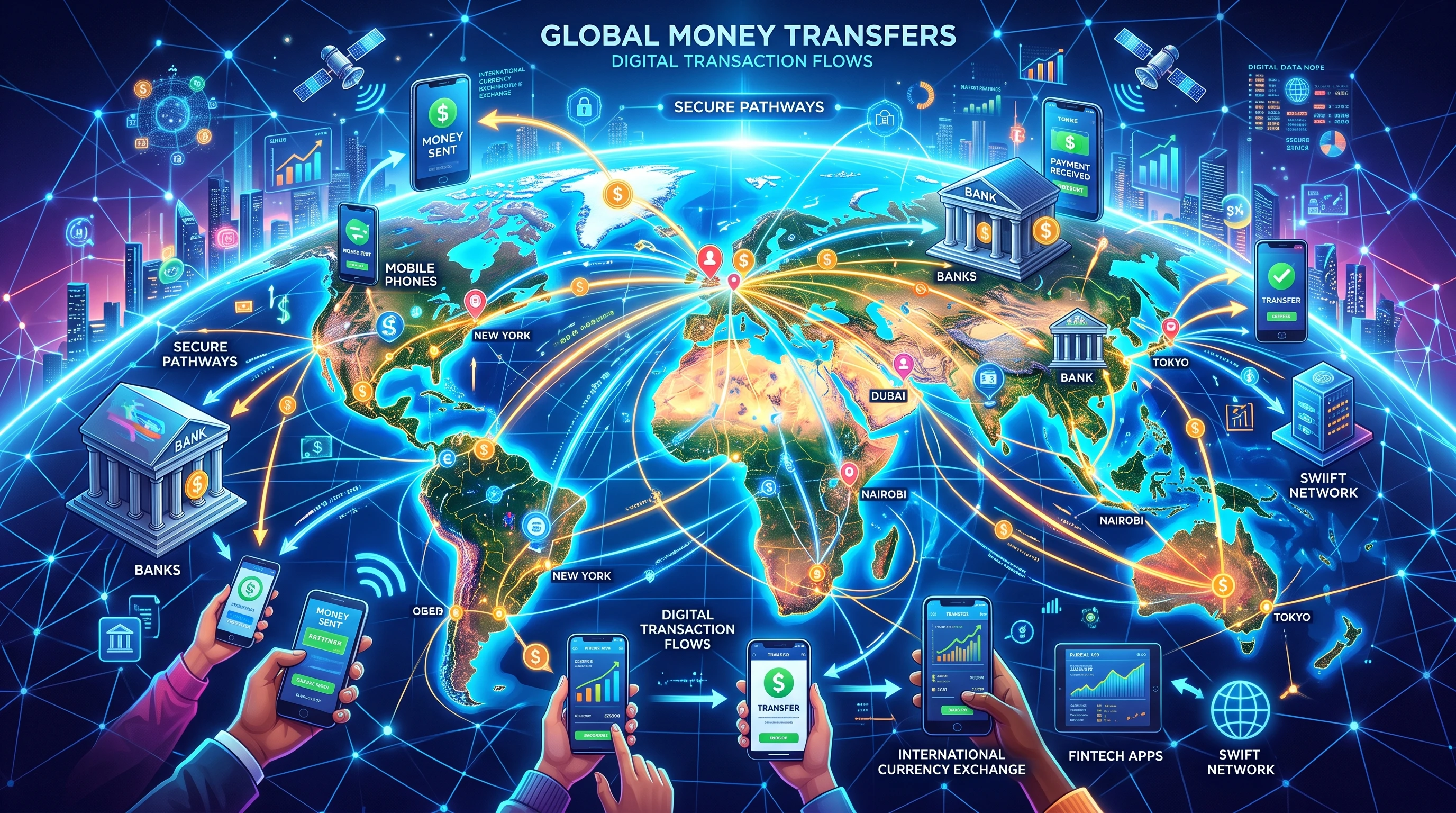
Fintech is changing how people and businesses move money around the world. From splitting dinner bills with friends to sending money overseas, there are now more ways to pay and transfer funds than ever before. I’ve seen first-hand how apps and financial technology simplify even the most complicated payments, making things faster, cheaper, and a lot less stressful.
What is Fintech and Payments?
Fintech is short for “financial technology.” This covers a really broad group of companies and products that use software and technology to boost or reshape financial services. When it comes to payments, this specifically means using technology to let people pay, transfer, or receive money without relying on old-school bank visits or piles of paperwork. Instead, everything happens on apps or websites designed to be as smooth as possible.
Some popular examples: Peer-to-peer payment platforms like PayPal, Venmo, and Cash App; digital wallets like Apple Pay or Google Pay; and international money transfer services such as Wise and Revolut. These companies offer money movement tools that work across borders and currencies, reducing confusion and cutting out a lot of middlemen. Even cryptocurrency wallets and trading platforms fall into the fintech payments bucket these days.
Along with those, new fintech startups are popping up, enabling digital-only banking, easy investments, and even micro-lending, showing just how much potential digital finance holds for both daily transactions and bigger money matters. These tools keep evolving, letting users track spending, set savings goals, and easily manage finances from anywhere in the world.
How Fintech Impacts the Banking Industry
Fintech doesn’t just give people easier ways to pay. It also has a pretty big effect on traditional banks. I’ve noticed that banks have had to step up their game, improving their mobile apps, speeding up transfers, and dropping a lot of the old fees they used to charge for simple transactions.
Fintech companies are also partnering with banks to create a wider range of services. For example, some traditional banks now offer instant money transfers using the same technology behind many fintech platforms. Other fintech companies offer “banking as a service” for non-bank businesses that want to embed payments into their websites or apps. This can actually make banks more efficient by letting fintech handle the tech, while banks keep control over the money. It’s a new team-up approach that helps both sides do more with less hassle.
Banks are using chatbots, AI-based fraud detection, and better digital onboarding to meet customer demands. This has pushed the banking sector to modernize and match the flexibility of fintech solutions, giving customers more choices and better tools for managing their money.
Will Fintech Eventually Replace Banks?
This is a question I hear all the time. The short answer: it’s pretty unlikely, at least anytime soon. Even though fintech is fast, flexible, and super popular among younger users, banks still offer things fintech can’t. For example, they handle savings and checking accounts, loans, mortgages, and regulatory requirements that call for a lot of paperwork and oversight.
That being said, fintech is definitely changing banks. Most big banks now work with fintechs or hire in-house developers to create new payment features. Instead of getting replaced, banks are adapting and partnering. I see it as a switch up—where banks focus on “back-end” stuff like account safety and compliance, while fintechs build slick interfaces for users to send money easily. It’s more of a blend than an outright takeover.
Fintech’s growth is also making financial services more competitive overall, so users are more likely to get improved features, better rates, and new services. The relationship between traditional financial institutions and fintechs will probably look even more inter-twined in the coming years, especially as regulations catch up to digital tools.
Why Fintech Is Better Than Banks for Payments and Transfers
When it comes to basic payments and money transfers, fintech platforms really shine. Here are a few reasons I find fintech super useful:
- Speed: Many fintech apps let me send or receive money instantly, even across borders, while traditional banks might take days for international transfers.
- Lower Fees: Fintech companies usually charge less for transfers, especially when sending money abroad, because they use new technology that avoids extra steps.
- Convenience: Using a phone to pay, split costs, or move money takes just a few taps. No paperwork or lines at the bank.
- Transparency: Most apps show real-time exchange rates, fees, and tracking info so I always know exactly what’s happening with my money.
- Access: People without traditional bank accounts (“unbanked” folks) often use fintech apps with just a smartphone, opening up new options for millions worldwide.
Banks are still best if you need bigger, long-term financial services, but for payments and transfers, fintech usually makes life a lot easier.
Fintech also makes life easier for small businesses or freelancers, letting them set up invoicing, get paid quickly, and manage multiple currencies all in one place. This helps level the playing field so individuals and small companies get the same access to tools as larger corporations, making money movement smoother for everyone.
Key Features That Make Fintech Payments Stand Out
So, here are a few cool features of fintech payment platforms that I think are worth checking out:
- Peer-to Peer-Transfers: Send money to friends, family, or even freelancers without needing to know their bank details, just a phone number or email does the trick.
- Multi-Currency Accounts: Some platforms, like Wise or Revolut, let you hold, send, and receive in multiple currencies. This helps save money for anyone who travels or works internationally.
- Instant Payment Notifications: Getting real-time alerts when money hits my account or is spent is pretty handy for budgeting.
- Contactless Payments: Paying in-store with a phone or watch by tapping on a terminal is quick and touch free.
- Open APIs: For businesses or developers, open APIs let other companies plug payment features right into their apps, making things seamless for users.
- In-App Spending Controls: Many apps offer built-in budgets, transaction categories, and alerts for unusual activity, helping users stay informed and in control of their finances.
Fintech platforms often include features like easy bill pay, automatic currency conversion, recurring transfers, and integration with other financial tools (such as digital accounting software), making them an all-in-one option for people and businesses wanting to simplify money management.
Common Challenges in Fintech Payments (And Smart Ways Around Them)
Like any tech, fintech payments come with a few headaches. Here’s what I’ve seen crop up:
- Security Issues: Digital payments are a target for scammers. Using two-factor authentication, strong passwords, and apps with good fraud monitoring keeps things safer.
- Transfer Limits: Many fintech apps set daily or monthly sending limits. This is frustrating if you need to move larger sums. Checking the fine print first helps avoid surprises.
- Hidden Fees: Some platforms tack on fees for certain types of transactions or conversions. I always check the fee schedule before hitting send, so I’m not caught off guard.
- Regulatory Complications: Rules change quickly, and not every fintech app works in every country. Checking supported regions makes cross-border transfers easier.
Security in Fintech Payments
Security is super important. The good news: most fintechs use bank-grade encryption and work with licensed financial partners. I always double check for regulated apps and look for extra security features, like biometric login or transaction alerts. If an app gets a lot of bad reviews or doesn’t explain how it keeps data safe, it’s best to skip it.
Another solid tip is to only put personal and financial info into apps downloaded from official app stores, and never through email or text links you don’t trust. Staying sharp about scams is key.
Transfer Speed and Reliability
Instant transfers are a big selling point, but not all platforms are equally fast. Transfers between two users of the same app (like Venmo to Venmo) are usually instant, while sending money to a bank account might take longer. When time matters, I pick apps that promise same-day or real-time delivery, especially for urgent payments.
It also helps to check how reliable customer support is. If something goes wrong with a transfer, quick, helpful responses can make a big difference.
Real-World Benefits and Use Cases of Fintech Payments
Fintech payment tools fit into day-to-day life in more ways than most people realize. Here are some ways I regularly use fintech to make managing money easier:
- Splitting bills with friends: Apps make it easy to divide costs at restaurants or on group trips without counting cash or writing checks.
- Paying international freelancers: Working with people overseas is a lot smoother (and cheaper) when using fintech platforms, avoiding wire transfers and high bank charges.
- Global shopping: Paying at online stores around the world is faster when you can convert and pay in multiple currencies at a fair rate.
- Supporting family abroad: Sending money home to family is simple, transparent, and way faster than old remittance services.
- Managing small business finances: Fintech apps let me invoice clients, receive payments instantly, and keep track of all transactions without hiring an accountant.
Even organizations use fintech for paying teams remotely, sharing profits with international partners, and managing payroll through digital-first services. Whether you’re an individual or running a business, fintech makes these tasks less of a hassle and more reliable.
FAQs: Fintech and Money Transfers
Here are answers to some questions I get asked the most:
How does FinTech impact the banking industry?
Banks now compete with or partner with fintech companies to deliver faster, cheaper, and more userfriendly payments. This pushes banks to cook up something new and makes financial services more accessible to everyone.
Will FinTech eventually replace banks?
Banks are still needed for things like holding deposits and lending, but I think we’ll see even more collaboration between banks and fintech. Banks are here to stay, though they may look very different with more digital partnerships.
Why is FinTech better than banks?
For payments and money transfers, fintech platforms are often easier to use, move cash quicker, and are usually cheaper. Banks have strengths with security and big-picture financial stuff, but fintech is all about smooth, simple, real time transactions.
What is FinTech and payments?
Fintech payments mean sending, receiving, or managing money using technology rather than traditional, paper heavy banking channels. Apps, online platforms, and digital wallets all fit under this term. They’re built to make money movement less of a headache.
Final Thoughts: How Fintech Is Shaping the Future of Payments
Fintech is making paying and transferring money something you hardly have to think about. Whether you’re paying friends, shopping, sending international transfers, or just watching your spending, all the best features fit right in your pocket. Banks still matter, but fintech is where the action is for smoother, faster, and cheaper payments.
Anyone who wants a better way to handle money (especially across borders or with lots of transactions) will stumble upon something really handy in the latest fintech tools. There’s never been a better time to watch where this technology is headed.