
Technology is changing the way we handle money, and nothing shows this more than the rise of FinTech. If you’ve ever checked your balance on an app, sent money online, or paid for coffee with your phone, you’ve used financial technology (FinTech). Traditional banks, with their big branches and paper forms, might seem old-school in comparison. Still, both FinTech and traditional banking shape how people move, save, and grow their money. Here, I’m un-packing what actually separates them, where each shines (or falls short), and what you need to know about the future of banking.
Defining FinTech and Traditional Banking
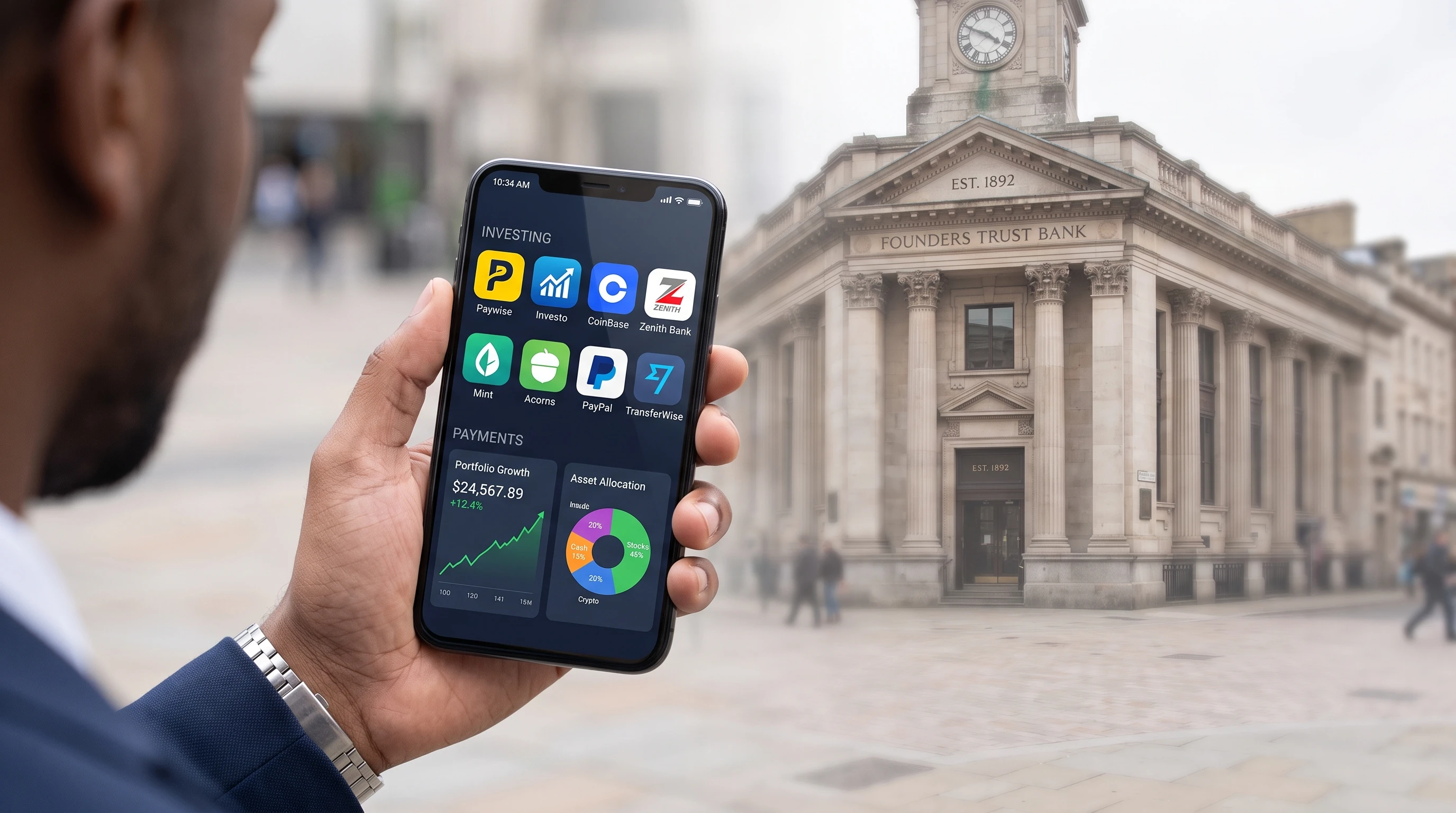
FinTech is short for “financial technology.” Basically, it describes a wide range of apps, online services, and software that help people and businesses manage money, without relying on oldschool bank branches. FinTech companies include digital wallets, peer-to-peer payment apps, robo-advisors, online lenders, and even popular investment platforms like Robinhood or Coinbase.
Traditional banking, on the other hand, covers well-known banks (think Chase, Bank of America, or your local credit union). These places have been around for decades or even centuries, and offer services like savings and checking accounts, mortgages, in-person financial advice, and access to cash at physical locations.
The Main Differences Between FinTech and Traditional Banking
In day-to-day life, the gaps between FinTech and traditional banks come down to how you interact with your money, cost, flexibility, and security. Here’s what that looks like:
- Access and Convenience: FinTech services make everything fast and digital. No need to stand in line at a crowded branch; just grab your phone. Banks, meanwhile, often require a trip to an actual building for things like opening accounts or applying for big loans.
- Speed and Flexibility: Signing up for a FinTech app or online bank takes minutes, with features like instant transfers or split-the-bill money requests. Banks move slower, thanks to traditional procedures and legacy systems, but offer face-to-face help and personal relationships.
- Cost: Many FinTech services slash fees; some even offer entirely free checking accounts or commission-free trading. Traditional banks often have fees for overdrafts, monthly maintenance, ATM use, or wire transfers, which add up for regular customers.
- Services: FinTech covers everything from budgeting tools and micro-investing to cryptocurrency trading. Banks typically stick to more standard products: deposits, loans, and safe deposit boxes, though plenty are adding online and mobile options as the tech world heats up.
- Security: Banks are subject to big, well-established regulations and often provide strong protections like FDIC insurance. FinTech companies can be newer and might not fall under all the same rules yet, though many follow solid encryption and privacy practices. It’s worth double-checking any company before trusting them with your money.
What is FinTech in Banking?
FinTech in banking shows up as all the tech-driven things classic banks now offer, like mobile apps, online loan applications, or digital-first customer support. A bank that lets you deposit checks by snapping a photo, sends payment reminders, or delivers instant account alerts is using FinTech tools. In practice, these changes mean even old banks are becoming more digital, trying to keep up with customers who want things faster and simpler.
This also means that the line between a FinTech company and a “digital bank” is getting a little blurry. Both offer online services, easy setup, and app-based money management, but the origin and regulatory oversight might be a bit different.
Understanding Electronic Banking vs. Traditional Banking
Electronic banking (sometimes called e-banking or online banking) is when a bank or credit union offers services over the internet. This might include:
- Checking your balance online or on an app
- Transferring funds between accounts digitally
- Paying bills online
- Applying for loans through a website or app
The main differences between traditional and electronic banking involve how you use the service:
- Traditional banking usually means in-person visits, using paper documents, and talking to bank staff face-to-face.
- Electronic banking skips the lines and paperwork, allowing for transactions anytime, anywhere, but you might not get as much personal attention or help.
FinTech and electronic banking often overlap, but FinTech companies may offer more advanced features, sleeker designs, or entirely new financial products (like crypto savings or buy-now-pay-later options), while a brick-and-mortar bank’s electronic services are mostly extensions of regular banking features.
Digital Banking vs. FinTech: Where Do They Meet, and Where Do They Differ?
Digital banking usually describes banks that operate online, maybe even without a single physical branch. Think of companies like Ally Bank or Chime. They still handle deposits, issue debit cards, and may provide loans, the same as traditional banks, just without the buildings. They usually have FDIC insurance and follow banking regulations.
FinTech, on the other hand, covers a wider range of companies and services. Some focus on just one thing, like helping you budget or pay friends. Not all FinTechs are banks; some are just apps that link to your accounts, while others hold and move your money directly.
So, digital banking is basically a branchless online bank, while FinTech can be a bank, a budgeting tool, a crypto exchange, or anything else techy and financerelated. The overlap is growing, especially as more FinTech firms get banking licenses and traditional banks become increasingly digital.
Will FinTech Replace Traditional Banks?
There’s a big buzz around whether apps and technology-driven services will make old-school banks disappear. I don’t see banks going away any time soon. Here’s why:
- Many people still want to talk to a real person, especially for major life decisions like mortgages or business loans.
- Traditional banks hold trust, long histories, and government protections that new companies work hard to match.
- Regulations and insurance (like FDIC coverage in the U.S.) offer a safety net people count on.
- Banks are adopting technology themselves, and most are blending digital services into their customer offerings.
At the same time, FinTech is forcing banks to give a boost to their digital game. So, instead of one replacing the other, I’m seeing more partnerships, more new ideas, and a switch up towards banking that’s both personal and hightech. For folks in rural or remote areas, for example, FinTech can fill gaps by bringing banking to places without local branches. The future seems to be about options and teamwork, not one thing winning out over the other.
Pros and Cons: FinTech vs. Traditional Banks
- FinTech Pros: Easy access through apps, fast sign-up, low fees, a focus on customer experience, and unique features like round-up savings or instant notifications.
- FinTech Cons: May lack full-service offerings, sometimes offer less personal help, and not every FinTech has the same level of regulation, insurance, or stability.
- Traditional Banks Pros: Face-to-face help, decades-long reputations, strong legal and financial protections, and more personal support for big decisions.
- Traditional Banks Cons: Can be slow to adopt new technology, may have higher fees, limited hours, and require in-person visits for certain tasks.
Things To Consider Before Ditching Your Bank or Going All-In on FinTech
- Security: Always check if the service is insured or regulated, especially for anything holding your cash.
- Service Range: Make sure the company covers everything you need, like direct deposit, easy transfers, credit cards, or investment options.
- Customer Support: Test how easy it is to get help when something goes wrong. Some apps have lightning-fast chat support, while others are slow or lack phone options.
- LongTerm Stability: Consider the company’s reputation and track record before moving all your funds.
Why It Pays to Mix and Match
Lots of people use a mix of both worlds. I might use a FinTech app for budgeting, a traditional bank for large savings, and a digital-only bank for no-fee checking. This way, you get the perks of each while covering your bases in case anything changes down the road.
Common Questions
What is FinTech in banking?
FinTech in banking means using digital tools to provide banking services. This covers mobile apps, online account setup, instant notifications, and more advanced features for handling your financial life.
What are the key differences between traditional banking and electronic banking?
Traditional banking usually means in-person service and paperwork, while electronic banking handles everything online or through apps; giving you faster and more convenient control of your finances.
What is the difference between digital banking and FinTech?
Digital banking covers banks (with actual banking licenses) that offer their services only online. FinTech includes digital banks, but also covers apps and systems for budgeting, lending, crypto, investments, and more, even if they aren’t banks by definition.
Will FinTech replace traditional banks?
FinTech won’t make banks disappear anytime soon. Instead, it shakes up the industry, leading to better tech and services for all. Both sectors will likely keep merging and improving to serve different needs and preferences.