
Fintech is one of those topics that keeps popping up everywhere, from bank ads in your feed to news stories about new apps making money matters easier. The tech world and the finance world are teaming up like never before, resulting in a bunch of new tools and ways to handle your money. If you’re curious about what fintech actually means and why everyone seems to be talking about it, you’re in the right place. Let’s break it down—what fintech means in simple terms, and the ways it’s already shaping how we spend, save, and invest.
What Is Fintech? Financial Technology Explained Simply
Fintech, short for financial technology, covers any kind of technology that helps deliver financial services and products. This could mean online apps that let you check your balance, platforms that make investing easier, digital wallets like Apple Pay and Google Pay, or smart tools that automate your bills. If there’s a mix of money and tech, it’s probably fintech.
To put it really simply, fintech is about using digital tools to make handling money faster, easier, and more accessible for everyone. Instead of waiting in line at a bank or shuffling paper forms, now you can do just about everything from your phone or computer. That’s fintech at work.
How Fintech Is Changing Everyday Life
Fintech isn’t just something happening on Wall Street or in big companies. It’s showing up pretty much everywhere. If you’ve sent someone money through Venmo, set up automatic savings in your bank app, or bought cryptocurrency using an app, you’re already using fintech.
Banks now use fintech to make transactions faster and more secure. Retailers offer pay-over-time options through services such as Afterpay or Klarna. There are also budgeting apps that connect to your accounts and offer tips to reduce spending or hit savings goals. Small businesses are getting a boost, too, with new technologies helping them manage invoices, secure loans quickly, or accept new forms of payment.
More and more, the tasks we once did face-to-face at a brick-and-mortar bank can now be done instantly with just a few taps or clicks. By automating and streamlining everything from bill payments to investing and even insurance, fintech is steadily giving us back time in our day.
Fintech in 2027: Is It Worth It?
Fintech is expected to keep spreading fast in the next few years. By 2027, it’s predicted that even more financial chores will move online or into apps. More businesses are putting artificial intelligence and automation to work, making services smarter and more tailored to your needs.
I see fintech as worth checking out in 2027, whether you’re a business owner wanting to make operations smoother or just hoping to keep your personal finances simple. New apps and tools help avoid fees, save time, and make smarter money decisions. Plus, more competition means better features and lower costs for everyone.
We’re also starting to see fintech jump into areas like sustainable investing and financial education, offering resources that explain complex topics in a clear, down-to-earth way. That means more people can get involved in investing, budgeting, or credit building, making the financial world more inclusive overall.
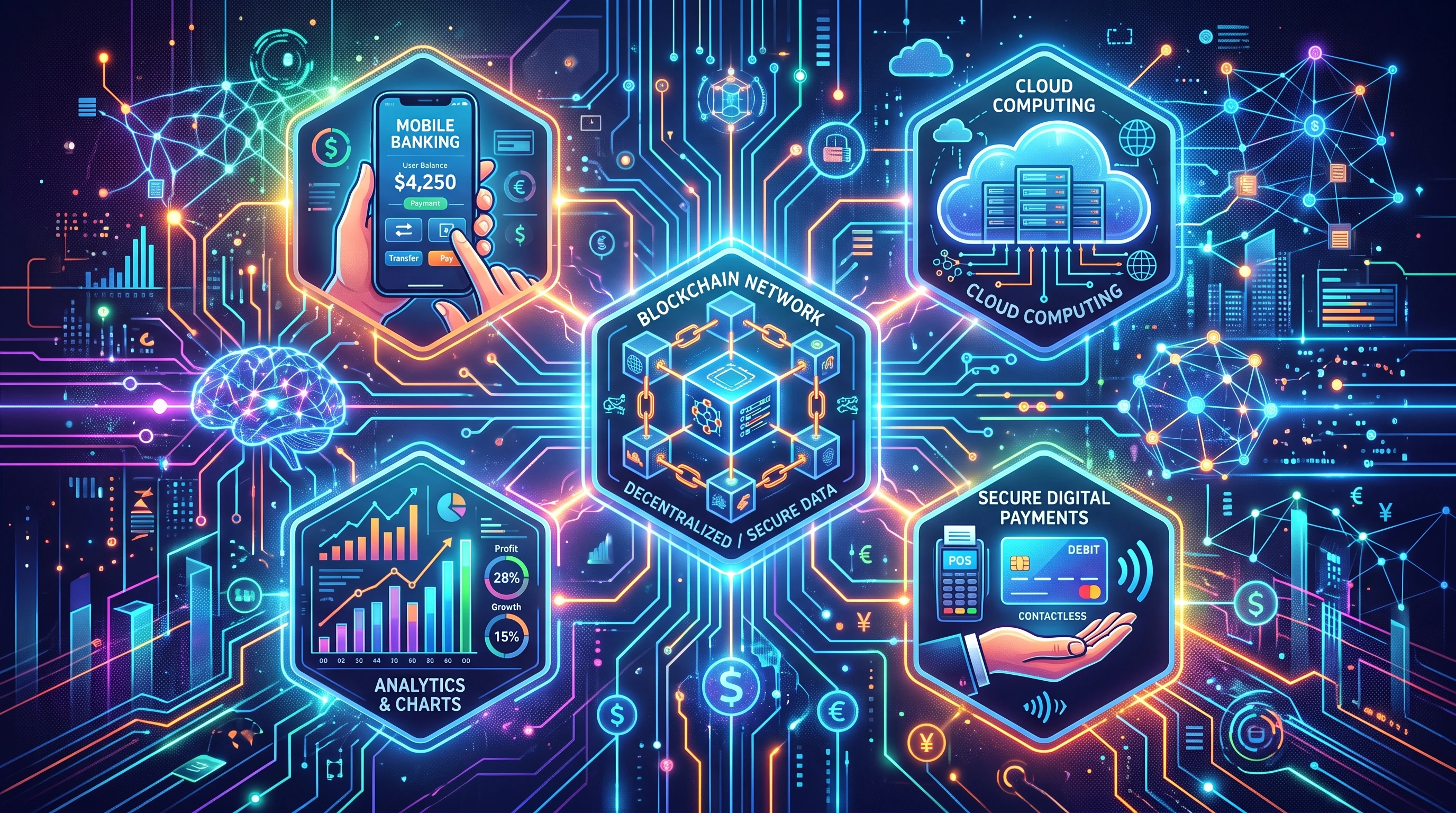
5 Key Technologies Driving Fintech
The fintech space is built on a mix of eye-catching tech developments. Some of the biggest game changers are:
- Mobile Apps: Banking, investing, bill payments, and insurance are right at your fingertips. Mobile apps let you manage money wherever you are.
- Blockchain: The tech behind cryptocurrencies like Bitcoin, blockchain is a secure and transparent way to record transactions. It’s starting to show up in traditional finance, not just crypto.
- Artificial Intelligence (AI): AI helps spot fraud, suggest financial products, and automate tasks like sorting your transactions in budgeting apps.
- APIs (Application Programming Interfaces): APIs let different apps and banking platforms interact safely. They make “open banking” possible—now it’s easy to see all your accounts in one spot, even if they’re with different banks.
- Cloud Computing: By storing data and running apps in the cloud, fintech tools become more scalable, secure, and always up to date.
These technologies are working behind the curtain to make instant payments, real-time notifications, and fast loan approvals possible for all of us. And as these techs advance, fintech keeps getting more powerful and reliable.
Getting Started With Fintech Tools
Getting into fintech is straightforward. You don’t need a finance degree or to be a tech expert to start. Most new tools are made with regular folks in mind, so they’re simple and userfriendly.
Here’s what I usually suggest for first-timers:
- Start with your bank app: Most banks have apps for transferring money, depositing checks digitally, and tracking spending. These features make day-to-day money management a breeze.
- Try a budgeting or savings app: Tools like Mint, YNAB, or Digit connect to your accounts and help you keep tabs on your spending or set up automatic savings.
- Check out payment apps: Venmo, Cash App, and PayPal make it quick to pay friends, split bills, or even pay at some stores.
- Explore automated investing: Robo-advisors like Betterment and Wealthfront will invest your money in portfolios tailored to your preferences, with most of the heavy lifting done by smart algorithms. No Wall Street experience required.
For those interested in crypto or new trends, fintech often lets you experiment with small amounts and has built-in tutorials, so you can learn as you go without too much risk.
Is Fintech Hard to Use?
Most fintech tools are made to be as simple and intuitive as possible. They typically have easy onboarding and plenty of help articles or live chat support. Once you get comfortable with one app, the rest feel pretty similar. Just open the app, connect your accounts, and follow the prompts.
If you’re familiar with smartphones, things like sending payments, setting up alerts, or checking your balance only take a few taps. The biggest hurdle is deciding which apps fit your needs since there are so many choices. Doing some research on security, usability, and support helps users land on what works best for them.
Common Challenges When Using Fintech
There are a few things to keep in mind when you start:
- Security Risks: Protecting your info is crucial. Always use strong, unique passwords and turn on two-factor authentication if it’s available. Download only from official app stores so you avoid scams.
- Information Overload: Some apps bombard you with notifications and features. Take the time to tailor the settings so you only see what matters to you.
- Compatibility Issues: Not every app connects perfectly with all banks or providers. Before signing up, check if your specific accounts are supported.
- Learning Curve: Advanced tools such as investing platforms or crypto wallets might take a bit more effort to figure out. Look for tutorials, FAQs, or demo modes so you can practice before moving real money.
Despite these speed bumps, most people find the time saved and extra control over their money makes learning worthwhile. If you need to get the hang of new features, most apps provide good support for beginners.
Security in Fintech
Security is one of the biggest talking points in fintech. Reputable apps use encryption, carry out regular audits, and follow strict privacy policies. Most let you control permissions and freeze or manage your account quickly. Always keep your device’s system updated and stick with apps with high user ratings and solid security info readily available.
Why People Are Switching to Fintech
Plenty of folks are moving to fintech tools, and these reasons stand out:
- Convenience: Manage nearly everything from home. Transfers, paying friends, or investing—it’s all right there when you need it.
- Lower Costs: Many fintech options drop the fees traditional banks charge, or even offer basic services for free.
- Faster Service: Waiting days for checks to clear or loan approvals is now mostly a thing of the past. You get instant balances, real-time payments, and access anytime you want.
- Better Insights: Smart analytics let you see exactly where your cash goes, helping you set and reach financial goals with less guesswork.
Fintech is especially helpful for people who want to save time or get more from their money—no need to visit a bank branch or fill out stacks of paperwork anymore.
Real-World Examples of Fintech
Seeing fintech in action helps make sense of how it fits into daily life:
- Digital Only Banks: Companies like Chime or Monzo operate with no physical branches. Their apps offer everything from direct deposit to easy card freezing for security.
- Investment Platforms: Apps such as Robinhood or Acorns let you buy stocks or invest spare change in just a few clicks.
- Peer to Peer Lending: Platforms like LendingClub hook up borrowers and lenders directly, usually with lower fees than big banks.
- Cryptocurrency and Blockchain: Services like Coinbase safely manage buying, storing, and selling digital currencies.
Even industries like personal insurance or estate planning are getting a fintech makeover, letting you manage and store important documents online and compare insurance instantly.
FAQ: Your Top Fintech Questions Answered
Question: What is fintech in simple terms?
Answer: Fintech is technology that helps you manage or get access to financial services, like banking or investing, through apps and websites rather than in person or through paperwork.
Question: Is fintech worth it in 2027?
Answer: Yes—more financial products are going digital, and fintech is only getting more valuable. It saves time, gets you lower costs, and the tools keep getting smarter and safer as the years go by.
Question: What are the 5 key technologies in fintech?
Answer: The main ones are mobile apps, blockchain, artificial intelligence, APIs, and cloud computing, all making money matters smoother.
Question: Is fintech difficult?
Answer: Most fintech products are simple to use for beginners. There might be a small learning curve, but the apps usually offer plenty of guidance and support.
Looking Forward in Financial Tech
Fintech is letting regular folks take better control of their finances, making things like investing, saving, and banking easier than ever. The biggest benefits are speed, lower costs, and a smooth user experience. As fintech grows, look for more smart features and even more ways to manage your money your way.
No matter if you’re just sticking to your bank app or trying out new investing tools, fintech is here for the long haul, and it’ll only keep getting better from here.