
Digital payments have moved way past the early days of simple card swipes. Now, paying with your phone, smartwatch, or even a quick scan feels totally normal. The world of digital payments keeps changing, thanks to new tech, shifting customer habits, and a push for speed and convenience. If digital wallets and QR codes already seem super easy, just wait for what’s coming next. My goal here is to walk you through the future of digital payments; we’ll look at what’s heating up, what matters, and where this is all headed.
The Rise of Digital Payments Worldwide
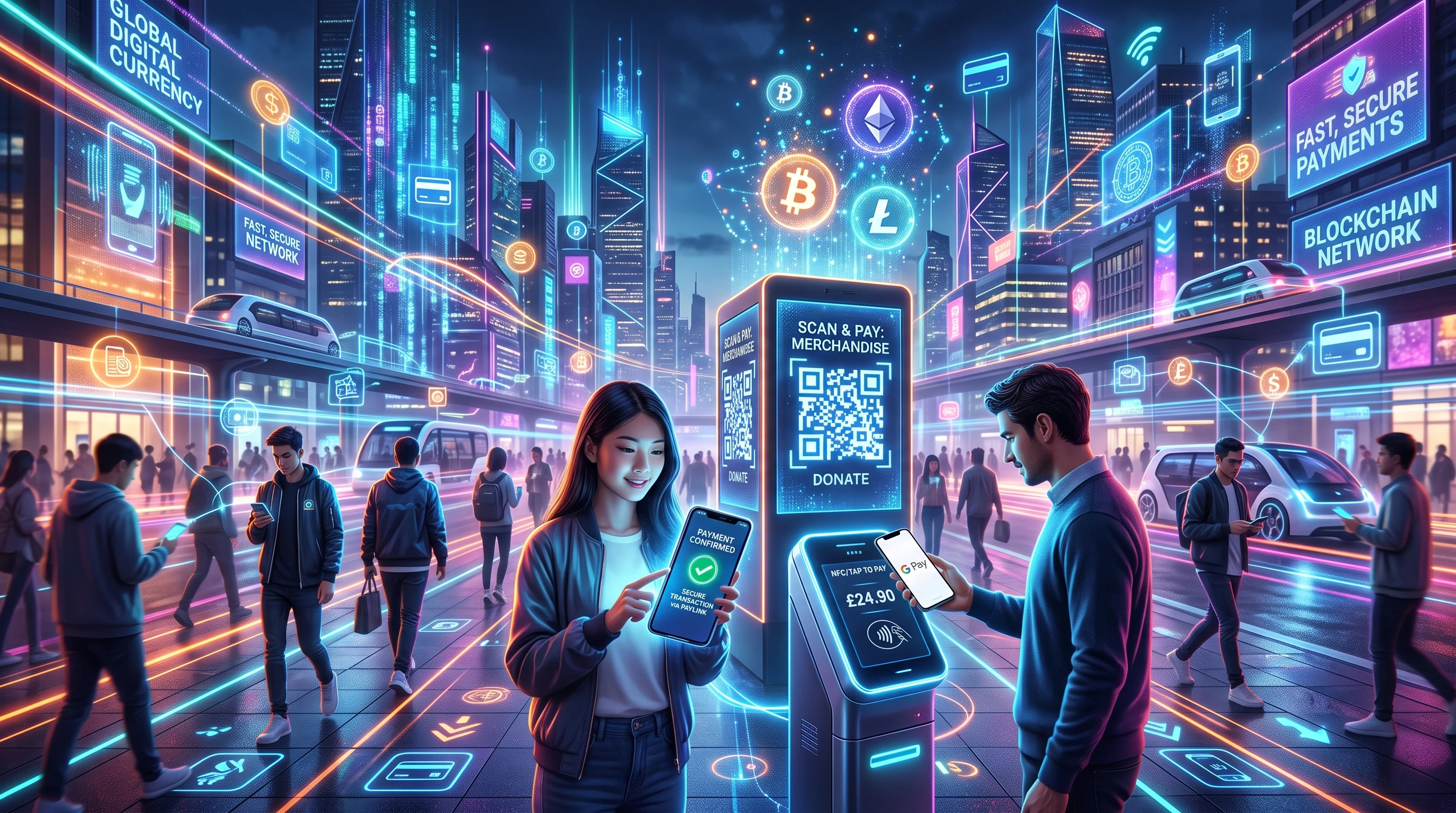
Digital payments cover everything from card payments and mobile wallets to cryptocurrencies and contactless options. More people are choosing these because they’re fast, safe, and fit easily into daily life. During the COVID-19 pandemic, digital adoption sped up like never before. Now, even small street vendors and tiny shops often accept digital payments.
The numbers back this up. According to Statista, global digital payment transaction value is poised to reach over $9 trillion by 2024. Mobile wallets are wildly popular, especially in Asia, while Europe and the US continue to grow in both traditional and newer payment platforms. With billions signing up for these services, it’s clear the popular trend isn’t slowing down. There’s also a movement toward financial inclusion, as people in regions once considered “cash-only” now have access to digital options for the first time.
Which Country is No. 1 in Digital Payments?
When I look at who’s leading the digital payments charge, China stands out by a mile. If you’ve ever visited a big city or even a small town in China, you’ll notice hardly anyone carries cash. Instead, almost every purchase can be paid for using a mobile wallet app like Alipay or WeChat Pay. In fact, China processes more digital payment transactions than any other country. They’ve made these platforms so easy that everything from a taxi ride to a cup of tea at a street market can get paid through a single scan. India is catching up fast, though, with apps like Paytm and Google Pay fueling a payment boom there as well.
According to the Reserve Bank of India and the People’s Bank of China, almost every adult in these countries has access to digital wallets or payment apps. For businesses and consumers alike, this has made day-to-day transactions a lot smoother and more secure. Merchants benefit from instant payments, and customers avoid the hassle of cash handling. This smoother flow of money has even helped local economies grow, since transactions are faster and more transparent, both on and offline.
Key Innovations Powering Digital Payments
Several breakthroughs are pushing digital payments even further. So, let’s now have a look at the features I think you’ll really like.
- Contactless Payments: Tapping a phone, card, or wearable to pay is fast and secure. NFC (Near Field Communication) tech powers most contactless methods. I use tap-to-pay everywhere from grocery stores to the subway. This method is not only fast but also helps reduce contact during checkout, which gained extra importance in recent years.
- QR Code Payments: Scanning a QR code to transfer money is huge, especially in Asia. These payments are simple and work on the most basic smartphones. If you’ve ever bought street food using a QR code, you know how quick it is. QR codes are showing up in restaurants, taxis, and even outdoor markets, opening up options for all ages and businesses big or small.
- Biometric Security: Face recognition, fingerprint scans, and even voice mapping help keep digital payments safe. Stuff like Face ID or Touch ID makes authorizing payments easier and protects against fraud. As this security evolves, expect even smoother ways to pay while keeping information secure.
- Blockchain and Cryptocurrencies: While not mainstream yet, crypto is making waves, especially for cross-border payments. Companies like Ripple and platforms like Bitcoin and Ethereum have begun testing faster, low-fee payment systems using blockchains. Crypto is also set to offer solutions for underbanked populations and provide flexible alternatives for international transactions in the near future.
- Buy Now, Pay Later (BNPL): Services like Klarna, Afterpay, and Affirm are changing how people shop, making purchases more manageable by splitting payments over time. This has become pretty popular for both online and in-store retail, allowing more people to access products while managing budgets more effectively.
What is the Largest Digital Payment System in the World?
Alipay, owned by Ant Group, holds the title as the largest digital payment system in the world. With over a billion users and millions of partner merchants worldwide, Alipay is absolutely everywhere in China and available in a growing list of countries outside Asia. It supports quick payments, international money transfers, and even features like in-app investments and travel booking. Its closest competitor, WeChat Pay, also covers everything from digital wallets to ecommerce. Outside China, PayPal is probably the second most recognized on a global scale, but no other system currently matches Alipay for sheer size and transaction volume.
Beyond payment, these platforms are evolving into financial “super-apps.” They allow for shopping, payments, investing, and even booking travel in one place, giving users more control and convenience over their money and daily activities.
Will Digital Currency Replace Cash?
This is a question I hear all the time. While digital payments are definitely taking over lots of day-to-day spending, cash is far from disappearing. Some countries, like Sweden, are moving fast toward cashless societies, where even public toilets and charity donations can only be paid digitally. In contrast, other places still rely heavily on cash due to culture, infrastructure, or privacy concerns.
Central Bank Digital Currencies (CBDCs) could change things further. About 130 countries are exploring their own versions of digital money, such as the digital yuan or the pilot e-rupee in India. CBDCs are government-backed digital currencies; they’re basically like cash, but 100% virtual. They’re designed for maximum security, easier transfers, and lower costs.
Cash is likely to stick around for emergencies, privacy, or people without easy tech access. But for most, digital money is turning into the preferred way to pay. Personally, I rarely carry more than a few bills, and my phone now does most of my financial heavy lifting. People’s growing comfort and trust in digital methods point to an even more digital financial future.
Digital Payments: Advantages and Drawbacks
- Speed and Convenience: Digital transactions usually finish in seconds, with no need for change or trips to an ATM. Perfect for quick lunches or last minute shopping.
- Trackable and Transparent: When every transaction is logged, tracking spending and budgeting gets easier. Apps can send you alerts, break down expenses, and even help spot fraud. Expense histories help with planning and saving, and more families are using these features to set household budgets.
- Safer Than Carrying Cash: Losing your wallet can be a headache, but digital wallets can be locked in seconds and are protected by biometrics.
- Inclusivity and Accessibility: With basic smartphones, millions now join the financial system for the first time. Digital payments let even small businesses and informal workers receive and send money safely.
But there are still a few pain points:
- Tech Access and Digital Literacy: Not everyone has a smartphone or internet access. Older users or folks in rural areas sometimes find digital options confusing or out of reach. More education and cheaper tech may help close this gap over time.
- Data Privacy and Security Concerns: While biometrics and strong encryption help, data leaks, phishing, and cyber attacks are real risks. Choosing trusted apps and using features like double authentication make things safer.
- Transaction Fees: Depending on the app or region, small fees can add up, especially for overseas transfers or business payments.
Emerging Trends Shaping the Future
- Artificial Intelligence and Automation: AI-powered fraud detection, chatbots for customer support, and spending insights are getting better all the time. For me, that means smarter protection and fewer payment hiccups. Predictive analytics also allow businesses to offer personalized deals and rewards, making shopping more fun and engaging for customers.
- Interoperability: People want to move money seamlessly, no matter the app or country. New initiatives like India’s Unified Payments Interface (UPI) are making cross-platform payments simpler. I find this really handy when using different apps for personal or business expenses. This movement toward unified payment systems is spreading to Europe, Africa, and other regions, breaking down old payment barriers.
- Embedded Payments: Think of paying for a ride directly in a map app or making purchases inside social media feeds. You never have to leave the platform. Just a few taps and you’re done. These seamless experiences are turning payments into a background process, letting consumers focus on enjoying their purchases or services.
- Sustainable Payments: Digital receipts, paperless transactions, and green fintech solutions are making payment systems easier on the environment. More companies are developing ways to lower the environmental footprint of each transaction, not just for convenience but for the planet’s benefit.
Finding Your Way Through the Digital Payments Landscape
If you’re curious about trying new payment methods or wondering how all this change impacts you, I’ve put together a few pointers for making the most of digital payments.
- Pick Reliable Apps: Stick with payment apps that have strong reviews, trustworthy security features, and clear privacy policies. I always check if they offer two-factor authentication.
- Understand Fees: Small print can hide unexpected charges, especially for international transfers, so it’s smart to look before you pay. Sometimes switching apps or payment channels can save you money.
- Keep Software Updated: Updates patch security holes and add new features, so I always let my apps update automatically.
- Apply Extra Security: Use features like fingerprints or face unlock if your device supports them. It keeps your money safer. Regularly reviewing your transaction history can also help catch suspicious activity early.
Frequently Asked Questions
Question: Which country is no. 1 in digital payments?
Answer: China holds the lead in digital payments, thanks to platforms like Alipay and WeChat Pay that are part of nearly every daily transaction.
Question: Is digital currency going to replace cash?
Answer: While digital payments are growing super fast, cash still has a place in many societies. Digital currencies like CBDCs may become more common, but cash probably isn’t going away completely any time soon.
Question: What is the largest digital payment system in the world?
Answer: Alipay is the world’s largest digital payment system by users and transaction volume, especially dominant in China and quickly gaining ground elsewhere.
Where Digital Payments Are Headed
The world of digital payments is only going to get more integrated, secure, and convenient. With AI, blockchain, and government-backed digital currencies all growing, how we pay for things in five or ten years could look totally different than it does today. If you haven’t already, it’s worth checking out the latest payment options. Sometimes all it takes is a quick download to make life just a bit smoother. As trends move forward, expect even more mind-blowing innovations, increased safety, and surprisingly simple ways to manage your money. Stay curious and keep checking out what’s next in the digital payments space.