

If you’re thinking about investing in cryptocurrency, choosing the right platform can make a big difference. Whether you’re just starting out or you’ve been around the crypto block a few times, there are a ton of options, so finding the best fit can feel confusing. I’ve put together a guide that breaks down what cryptocurrency investment platforms actually do, what to consider before signing up, and how to make safer, smarter choices as you get started.

What is a Cryptocurrency Investment Platform?
Cryptocurrency investment platforms are online services or apps where you can buy, sell, and sometimes even earn or stake digital coins like Bitcoin, Ethereum, and many others. They work a lot like traditional stock brokerages but focus only on cryptocurrencies rather than regular stocks or bonds.
Some platforms are super simple and designed for beginners, while others are packed with tools that advanced traders love. You’ll notice some platforms focus on making buying and selling easy, while others let you earn rewards on your holdings or even offer advanced charting tools for those who want to trade daily. Understanding your needs helps narrow down the huge list of choices, saving you time and frustration as you make your first investment moves.
Top Features to Look For in Crypto Investment Platforms
I always check for a few core features before recommending a platform to anyone. Making sure these basics are covered can keep your money safer and make investing a less stressful experience:
-
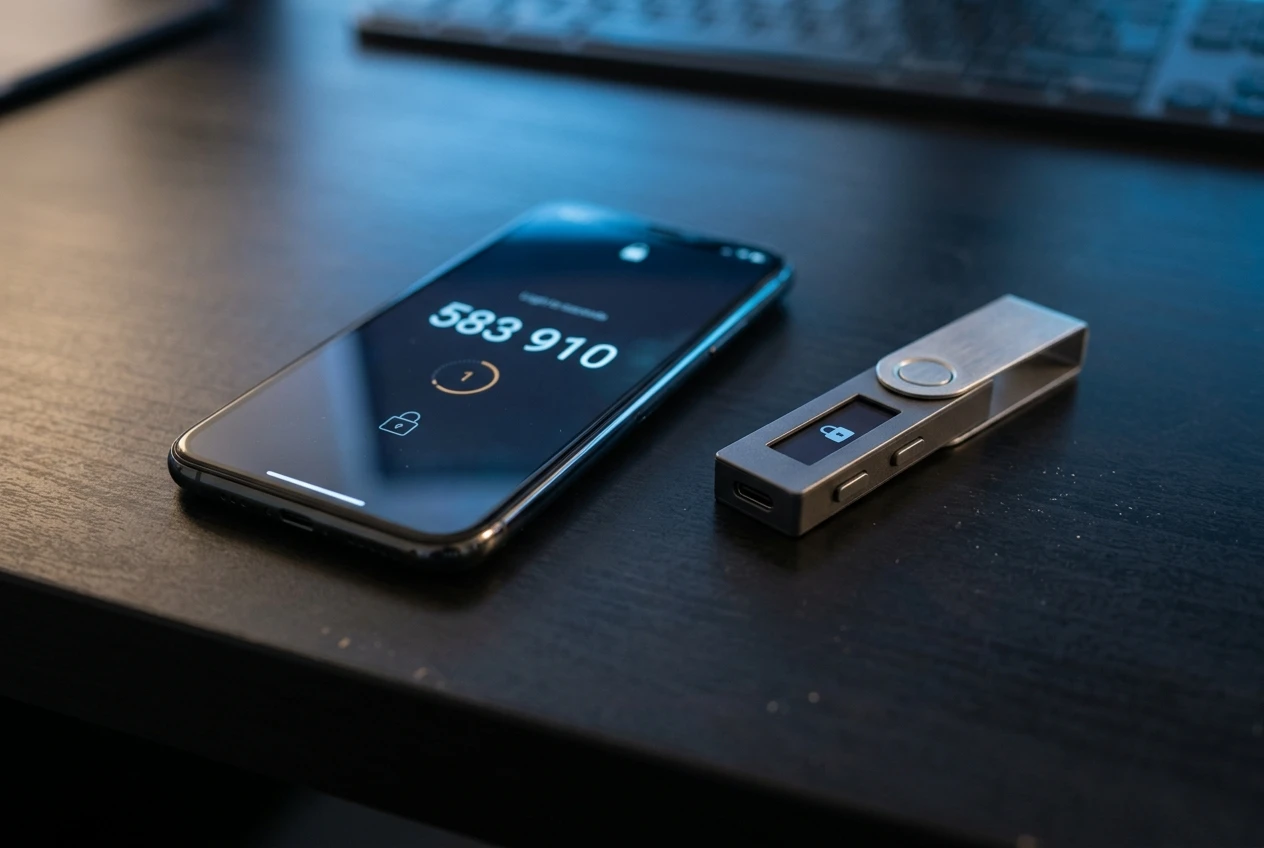
Security: Look for platforms with two-factor authentication, cold storage for assets, and a good record for handling security issues. Reading recent security audits can help you understand how seriously a platform takes your protection.
-
User Experience: A clean, easy to navigate interface makes a massive difference—especially if you’re new to crypto or tech. Try checking out screenshots or video walkthroughs before committing.
-
Asset Selection: Some platforms only offer the big coins like Bitcoin, while others list hundreds of smaller coins. Decide if you’re interested in just the top names or want access to new, lesser known tokens that might offer more growth potential.
-
Fees: Platforms usually charge trading fees and withdrawal fees. Some have higher rates than others, so it’s smart to compare costs before you commit. Small fee differences can add up if you trade actively.
-
Customer Support: Getting stuck with an issue and having no help is never fun. Pick platforms with a good track record for speedy, helpful support, and check if they offer live chat, phone, or only email support.
Best Crypto Platforms Overall
If you just want the quick answer to “Which platform is best for crypto investing?”, here’s what I’ve found after years of personal experience and research:
-
Coinbase: Widely known for its beginnerfriendly interface and strong security features. Great for those wanting a simple start but also has Coinbase Pro for more active trading.
-
Binance: Known for low trading fees, a huge selection of coins, and lots of extra features like staking and advanced trading options.
-
Kraken: Very transparent with fees, strong security practices, and offers a nice mix of beginner accessibility and pro tools. The platform supports multiple fiat currencies, making it convenient for international users.
-
Gemini: Offers a super clean interface and emphasizes strong regulatory compliance. People in the US especially tend to trust Gemini because of its state regulated approach.
There are others worth checking out, like Bitstamp or Crypto.com, but the four above keep popping up as solid options, based on ease of use, variety of coins, and general safety. If one of these doesn’t work in your country, check trusted review sites or user forums to track down a reliable local alternative.
Best Crypto App for Beginners
For those brand new to investing or crypto in general, starting with something straightforward is recommended. Coinbase is my top choice for beginners. The app makes signing up and buying your first crypto feel as easy as shopping online. Helpful reminders and simple explainer screens walk you through every step, so it’s much less intimidating.
An honorable mention goes to Gemini, which also offers a very friendly mobile experience and lots of educational content right in the app. Both apps break down technical terms and add builtin learning tools, so you’re not left in the dark about what you’re clicking. They also provide 24/7 support and strong community resources to answer your questions as you go.
How to Start Investing in Crypto: Step by Step
Ready to give it a shot? Here’s a quick run through of how the process usually looks for first timers:
-
Sign Up: Open an account on your chosen platform using your email address and a strong password.
-
Verify Your Identity: Most legit platforms require ID verification. Upload a photo of your ID and maybe a selfie to unlock full access.
-
Secure Your Account: Set up twofactor authentication. Most platforms make this easy with apps like Google Authenticator.
-
Deposit Funds: Connect your bank account, debit card, or sometimes PayPal, then deposit funds (USD, EUR, etc.). Make sure you understand deposit fees and processing times, which can vary by platform and payment method.
-
Make Your First Purchase: Decide which crypto you want to buy. Many start with Bitcoin or Ethereum, but that’s just a personal preference.
-
Consider Storage: After you buy, decide if you’ll keep your crypto on the platform (hot wallet) or transfer it to a private wallet (cold storage) for extra safety. Hardware wallets like Ledger or Trezor provide an added layer of peace of mind.
Take your time with each step and read platform tutorials or FAQs if you get stuck. Documenting your passwords and backup phrases somewhere offline can also help prevent accidental lockouts.

Main Risks of Investing in Crypto
Hearing stories of big overnight gains can make crypto seem like a quick win, but there are risks that shouldn’t be ignored:
-
Volatility: Crypto prices can swing wildly in minutes. It’s normal to see coins move up or down 10 percent, 20 percent, or even more in a single day. Always be prepared for price swings.
-
Platform Risks: If a platform is hacked or runs into legal trouble, you can lose access to your assets. This has happened several times over the years, so sticking to reputable providers is really important.
-
Lack of Regulation: Unlike banks or regular brokerages, most crypto platforms don’t have full government insurance. If a platform fails, there’s not always a safety net.
-
Technical Challenges: Sending crypto to the wrong address, losing your private keys, or falling for a phishing scam can result in a total loss. Triple check addresses and always keep your recovery phrases safe.
-
Scams and “Rug Pulls”: There are a lot of shady projects out there. Avoid anything promising crazy high returns or that lacks clear, public details about who runs it. Research project whitepapers and the team behind any coin you’re interested in.
How to Lower Your Risk

-
Only use platforms with good reviews and a long track record with no major incidents.
-
Never invest more than you can afford to lose; crypto is speculative and unpredictable.
-
Consider storing large amounts in a hardware wallet instead of on the platform.
-
Keep your account protected with unique passwords and twofactor authentication. Change your passwords regularly, and don’t reuse them across platforms.
-
Keep an eye out for phishing emails or social media scams targeting crypto users.
Factors to Keep in Mind Before Choosing a Platform
Picking a platform isn’t just about flashy features. I pay extra attention to:
-
Location: Not all platforms operate in every country, and some features may be limited based on where you live. Always confirm if your local regulations allow the platform to serve you fully.
-
Regulation: Platforms registered with financial authorities tend to be safer and follow stronger guidelines for user protection.
-
Withdrawals: Some platforms make it harder, slower, or more expensive to move your crypto or cash out to your bank. It’s worth looking into before signing up. Withdrawal limits and processing times can make a big difference, especially if you plan to move large amounts.
-
Staking and Earning: If you’re hoping to earn passive income from your coins, see which platforms offer staking or interest features. Some coins offer higher rewards but come with extra risk, so read the terms carefully.
If you want to trade specific cryptocurrencies or enjoy certain earning programs, compare what each platform provides before funding your account.
When to Use an Advanced Trading Platform
If you have some experience and you’re looking for more control over your trades, keep an eye on platforms like Binance, Kraken, and KuCoin. Advanced platforms offer:

-
Detailed trading charts for technical analysis and price trends
-
Limit and stoplimit orders for managing your trades more precisely
-
Access to margin or futures trading, which can add risk but also potential reward
-
Deeper liquidity for trading bigger amounts or less common cryptocurrencies
Just remember, advanced tools come with extra risks. You don’t have to jump in unless you’re comfortable and prepared to spend time learning the ropes. Many platforms offer demo modes so you can practice before risking real money.
Frequently Asked Questions about Crypto Investment Platforms
Which platform is best for crypto investing?
Coinbase is a solid choice for beginners and anyone who wants safety and simplicity. Binance fits those who want lower fees and advanced trading tools. What’s “best” depends on your needs and experience level, so consider what features are most important for your situation before diving in.
Which crypto app is best for beginners?
I find Coinbase to be the easiest for beginners, thanks to its super simple layout and lots of educational resources. Gemini is another nice alternative if you’re in the US and want extra compliance features or peace of mind.
What are the risks of investing in crypto?
Some of the main risks are wild price swings, platform hacks, lack of government regulation, technical slipups (like sending coins to the wrong address), and scams. It takes patience, research, and caution to stay safe in the crypto world. Always keep your keys and passwords private and secure.
Getting Started: My Experience and Tips
My own first steps into crypto were on Coinbase, and I definitely appreciated the clear layout and strong support. Mistakes will happen, but starting small and sticking with established, reputable platforms reduces the odds of anything going seriously wrong. Don’t be afraid to read reviews and ask questions in community forums before choosing a platform—often, fellow users share hands-on advice that makes your transition smoother.
The crypto world changes fast, so staying informed and cautious pays off down the line. If you’re new to all this, try making your first trade with a tiny amount just to see how it works. Experience will help you feel more comfortable exploring new features as you go. Many top platforms offer news alerts or in-app feeds, so you can keep up with market trends and big updates.
There’s always something new to learn, but a bit of careful planning can definitely make the whole experience with crypto investing smoother and a lot less stressful. Keep researching, ask questions, and don’t rush—your wallet will thank you!