
Mobile wallets are everywhere in 2026, and I can’t imagine going back to carrying bulky wallets packed with cash, cards, and paper receipts. Secure, fast, and full of handy features, these digital wallets turn your phone into a one stop shop for payments, tickets, IDs, and even boarding passes. If you’re curious about which options are worth downloading or how wallet trends have changed, I’m breaking down everything you’ll want to know, including the best mobile wallets right now and what Gen Z is actually picking instead of old school wallets.
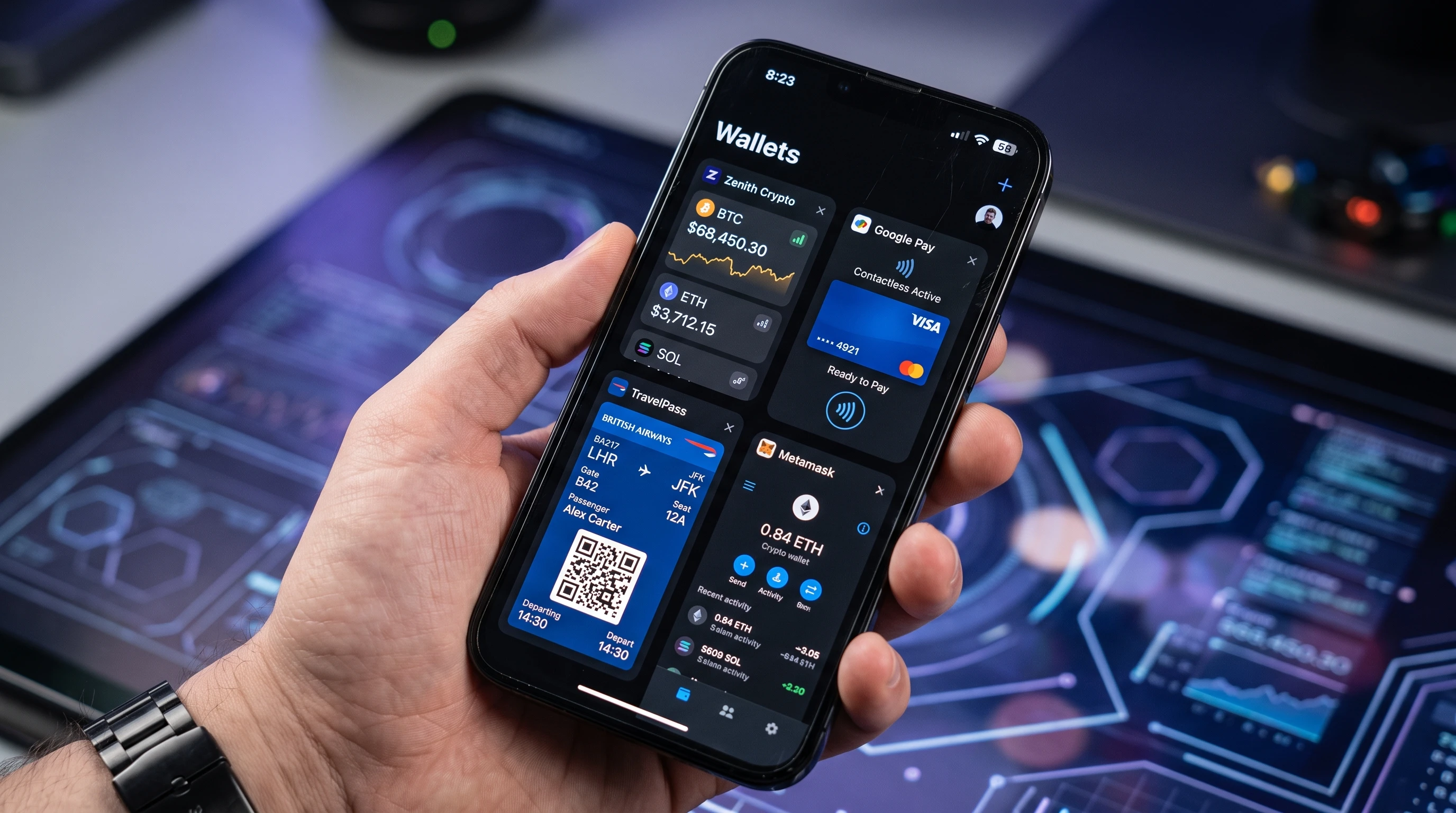
Mobile Wallets 2026: Why Everyone Is Making the Switch
In the past few years, digital wallets have exploded in both popularity and capability. Whether you use Apple Pay, Google Pay, Samsung Wallet, or other popular options, the growth has been wild. The convenience, added security (think biometric locks and strong encryption), and all in one organization just make life smoother. Recent data from Statista shows that over 80% of smartphone users in 2026 are tapping, swiping, and scanning with digital wallets several times a week.
Payment technology is advancing fast. Some wallets store credit and debit cards, digital IDs, event tickets, loyalty programs, crypto assets, and even passwords for your favorite streaming apps. A few features I keep an eye out for include strong privacy, solid vendor partnerships, and connections to bank accounts or investment tools. The phone wallet game is definitely strong this year.
Top Mobile Wallets to Use in 2026
Not every mobile wallet is the same, and picking the right one can save you time, hassle, and maybe a bit of money. These picks stand out because they’re userfriendly, secure, and packed with next-level cool features. Whether you’re team Android or iOS, you’ll find an option that fits right in with your daily routine, and if you’re into crypto, there are some strong contenders there too.
- Apple Wallet: For iPhone users, this is still the easiest way to pay in store, collect loyalty cards, store transit passes, and even share secure digital IDs. iOS 20 has made everything even snappier, plus you can store digital keys for your car and home.
- Google Wallet: Android phones come loaded or ready to download Google Wallet, which supports a huge range of cards, tickets, digital IDs, and now even cross-platform crypto support. Integration with Google’s password manager is a bonus.
- Samsung Wallet: If you’re rolling with a Galaxy or Zseries device, Samsung’s wallet is pretty seamless. It pulls in Samsung Pass, flight boarding passes, personalized offers, and a clean crypto dashboard. The biometric unlocking is fast and super reliable.
- Revolut Wallet: This one’s for travelers and digital nomads. It gives you multi-currency wallets, strong crypto integration (more on this soon), and industry leading budgeting tools. International transfers work without the usual fees.
- Venmo & PayPal Wallets: In 2026, Venmo and PayPal both offer full featured digital wallets. Venmo takes the edge for in-app peer payments and event payments, while PayPal wallet is a go to for shopping online, thanks to their expanded buyer protection.
- Trust Wallet: If crypto is your thing, Trust Wallet is still one of the easiest ways to hold, swap, and transfer dozens of major tokens, from Bitcoin and Ethereum to Solana and newer coins. The builtin NFT gallery makes it super easy for digital collectibles too.
What Sets The Best Mobile Wallets Apart?
The best phone wallets in 2026 don’t just store cards; they tie together your digital identity. Here’s what I look for when recommending a wallet:
- Biometric Security: Facial recognition and fingerprint unlocking keep your data safe. Even if your phone’s lost or stolen, getting into your wallet is tough for anyone but you.
- Seamless Integration: Strong connections with ticketing, rideshares, government IDs, and travel apps make these wallets extra convenient. I use my mobile wallet to get into concerts, tap onto public transit, and board flights, all from one app.
- Easy Peer Payments: Sending money to friends, splitting dinner, or chipping in for gifts is just a few taps away. Apps like Venmo and CashApp nail this.
- Contactless Everything: NFC, QR code, or tap to pay support are the backbone of a modern wallet. The more places that accept your wallet, the less you need to carry a physical card or cash.
- Privacy Controls: I appreciate wallets that let me control what information is shared, with whom, and can generate single use “burner” cards for sketchy online purchases.
Some wallets are adding even more, like insurance integration, quick virtual cards for one time shopping, and stronger budgeting options with real time alerts. By giving you control and flexibility, these wallets suit all kinds of spending habits.
Best Crypto Wallet in 2026
Crypto wallets are no longer just for hardcore investors and techies. Many people use them for quick payments, swapping tokens, or holding stablecoins alongside regular cash. I’ve been following trends and Trust Wallet pops up again and again as a solid choice, especially for managing everything from basic Bitcoin and Ethereum to cutting edge tokens and NFTs. The mobile friendly design and secure backup options are really handy if you want a simple, powerful way to manage digital assets on the go.
If you’re looking for something extra secure or specialized, Ledger Live (mobile) and Coinbase Wallet both offer strong transparency, open development, and lots of educational support. Security and private key management stand out, which matters more than ever for peace of mind. For those getting into DeFi, many apps now link up with major wallets, making it smoother to swap, stake, and lend with just a few taps.
Wallet Trends to Watch in 2026
Mobile wallet trends switch up quickly, but a few new features really shape the way people interact with their money. Here’s what’s catching my eye this year:
- Digital IDs: Governments and universities now issue official IDs, health passes, and licenses that live in your digital wallet. I love not having to dig for my driver’s license at airport security anymore; everything I need is right on my phone.
- Advanced AI Spend Tracking: Wallets plug into budgeting tools that offer personalized insights, spending breakdowns, and even recommend when to save, invest, or haggle for better deals.
- Social Payments: Sending money comes with emojis, payment requests, and social feeds, especially among younger users. Some wallets are blending messaging and money in really unique ways.
- Crossborder Usability: Wallets like Revolut and Wise let you pay in dozens of local currencies at normal exchange rates. Great for travelers or anyone shopping international sales.
- Sustainability Features: Some phone wallets now show the carbon impact of your purchases or help round up change for ecofriendly projects.
Besides these, more wallets are looking to add digital receipts, customized spending notifications, and better connections with retail loyalty programs. Environmental tracking is picking up, letting you get a feel for your impact every time you spend.
What Are Gen Z and Millennials Using Instead of Physical Wallets?
For a lot of Gen Z, mobile wallets are almost a given. But some push things even further by ditching the need for carrying anything at all. Here’s what I’m seeing out in the wild:
- Smartphone Only Payments: Many use just their phone for everything, and tap to pay has taken over cash in most places Gen Z shops, eats out, or travels.
- Wearable Devices: Smartwatches, fitness bands, and even smart rings feature mobile payment tech. I know several people who head to the gym, coffee shop, and public transit with just their Apple Watch or Samsung Galaxy Ring.
- Biometric Locks and Smart IDs: All important apps now come with biometric security, and some university campuses actually use faces or fingerprints as campus IDs; no card or wallet needed.
Cash is less and less common, and even physical credit cards stay at home most of the time. For the rare places that only take cash, services like Cash App or prepaid digital cards help bridge the gap without carrying a wallet.
Wearables are also set to expand, with more brands exploring handsfree payment options, making your morning run lighter and your errands faster.
Getting Started: Setting Up a Mobile Wallet
If you’re new to the world of mobile wallets, signup is easy and takes just a few minutes:
- Download Your Wallet: Head to the App Store (iPhone) or Google Play (Android) and type in your wallet of choice: Apple Wallet, Google Wallet, Revolut, Trust Wallet, etc.
- Add Cards and Info: Tap “Add Card” or the plus button, scan your physical card (or enter details), and verify with a code from your bank. You can also scan boarding passes, ID cards, and more, depending on the app.
- Enable Security: Turn on Face ID, fingerprint recognition, or a good PIN. This keeps everything locked down and private.
- Customize: Add loyalty cards, transit passes, tickets, and connect any banking, investment, or crypto accounts if supported.
Making payments is as simple as unlocking your phone and tapping at any NFC-enabled reader, which are now everywhere. Some apps let you generate single use codes or QR codes for web and in-person payments without sharing your actual card number. Don’t forget to check out the rewards or cashback programs your wallet might offer—they’re a nice bonus!
Big Questions About Mobile Wallets in 2026
Question: What is the best crypto wallet in 2026?
Answer: Trust Wallet stands out for its versatility, security, and ease of use. Investors who want extra safety often turn to Ledger Live or Coinbase Wallet for peace of mind and advanced controls.
Question: What are the wallet trends for 2026?
Answer: Digital IDs, advanced budgeting tools with AI, social payment features, easier crossborder payments, and sustainability tools are defining this year’s wallets.
Question: What do Gen Z use instead of wallets?
Answer: Many Gen Z users depend fully on phone wallets, smartwatches, or even smart rings, skipping physical wallets completely. Cash and cards rarely make the trip outside the house.
Question: What is the best phone wallet to use?
Answer: Apple Wallet and Google Wallet are top picks for most users. They offer the best mix of wide acceptance, ease of use, and cool features. Samsung Wallet is the go to for Galaxy users, while Revolut and Trust Wallet are really solid for international or crypto-focused folks.
Final Thoughts
With mobile wallets now at the center of everyday life, it’s easier than ever to stay organized, secure, and flexible, no matter how you spend or travel. Checking out new wallet features and staying current with updates can save you time and sometimes open up perks you didn’t know existed. Whether you’re grabbing lunch, catching your next flight, or moving crypto, the right mobile wallet can make things a lot less complicated. And honestly, once you make the switch, going back to a physical wallet feels pretty clunky!